
Why Guests Are Not Allowed to Cook Inside the Houseboat – Everything You Need to Know
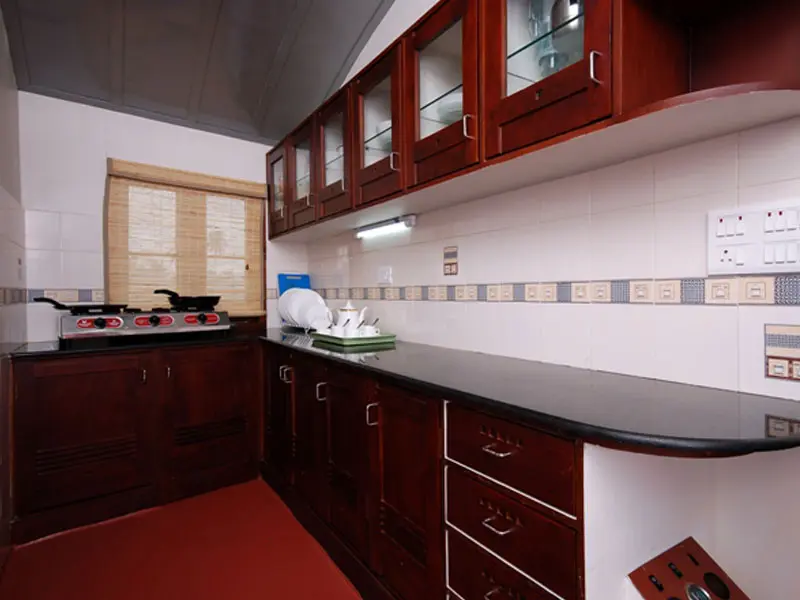
Houseboats in Alleppey offer a unique experience—gliding through the backwaters, relaxing in nature, and enjoying freshly prepared Kerala delicacies onboard. Many guests often ask why cooking is not allowed for visitors inside the houseboat. While the request is understandable, there are several important reasons behind this rule.
In this blog, we explain the main reasons guests cannot cook inside houseboats and how this policy ensures safety, comfort, and a better travel experience for everyone.
1. Safety Comes First
Houseboats have compact kitchen spaces designed specifically for trained staff. Allowing guests to cook can create multiple safety risks:
🔥 Fire Hazards
Cooking in a wooden structure increases risk.
Gas cylinders and burners on a moving boat need careful handling.
Sudden winds in the backwaters can make open flames dangerous.
🧯 Limited Safety Equipment
Boats carry basic safety tools, not entire fire-control setups like hotels.
Trained crew members are essential to manage kitchen equipment safely.
For the safety of guests and the crew, the kitchen must be operated only by certified staff.
2. Houseboats Follow Strict Tourism & Safety Regulations
Kerala Tourism and local safety authorities have set clear rules:
Guest cooking is restricted on all licensed houseboats.
Only staff with proper training can operate the kitchen area.
These rules ensure hygiene, safety, and service quality.
Houseboats that violate these norms risk fines or license cancellation.
3. Space Constraints Inside the Houseboat Kitchen
Unlike a home kitchen, a houseboat kitchen is:
Small and compact
Designed for quick service
Built to manage safe cooking in limited space
Allowing guests to use this space can lead to:
Congestion
Accidental spills
Heat and smoke spreading to guest areas
To keep the environment clean and comfortable, guest cooking is not permitted.
4. Ensuring Consistent Quality of Food & Service
Houseboats take pride in offering delicious Kerala meals prepared by experienced cooks.
If guests start cooking:
Food quality may vary
Smell of spices and frying can spread into bedrooms
Cooking time may delay the scheduled itinerary
To maintain a consistent and enjoyable experience, the trained crew handles all food preparation.
5. Avoiding Excessive Smoke, Odour & Oil Spills
Cooking can produce:
Strong food smells
Thick smoke from frying
Oil splashes that can stain furniture or curtains
Since houseboats have closed spaces and limited ventilation, these issues can affect guest comfort.
That’s why the staff ensures cooking is done neatly and safely in a controlled environment.
6. Waste Management & Cleanliness
Food waste needs careful disposal to avoid:
Attracting insects
Polluting the backwaters
Causing hygiene issues onboard
The crew follows proper waste management rules set by eco-tourism authorities.
Allowing guests to cook can lead to improper waste disposal, which is strictly prohibited.
7. Houseboat Staff Is Always Ready to Prepare Food of Your Choice
Even though guests cannot cook, the crew is happy to:
Prepare customised dishes
Follow your spice preferences
Cook vegetarian, vegan, or Jain meals
Serve special Kerala dishes on request
Prepare child-friendly food
You can discuss your menu preferences during booking or at check-in.
Conclusion
Guest cooking inside Alleppey houseboats is not allowed due to important safety, hygiene, and regulatory reasons. These rules are designed to give you:
✔ A safe journey
✔ Hygienic and delicious food
✔ A smoke-free and comfortable stay
✔ A smooth and hassle-free backwater cruise
By following these guidelines, houseboat operators ensure that your Alleppey backwater experience remains memorable, peaceful, and enjoyable.
Facebook
Twitter
LinkedIn
Pinterest
